
Handicap Door Opener
About All in 1 Locksmith Handicap Door Opener
Accessibility in building design remains an essential element of inclusive environments. Handicap door opener systems are designed to support individuals with mobility needs by enabling easier access through doorways. These systems are suitable for both residential and commercial buildings and are structured to comply with the Americans with Disabilities Act (ADA) and other relevant building codes.
At All in 1 Locksmith, handicap door opener services are provided as part of a broader range of door and hardware solutions. These systems contribute to universal design principles, ensuring doorways can be accessed with minimal physical effort. Whether integrated into new construction or added to existing entry points, handicap door openers play a central role in enhancing building usability for a diverse population.
For detailed information about ADA-compliant accessibility requirements, the U.S. Access Board provides helpful regulatory guidance.
Need Help Now?




What we Offer
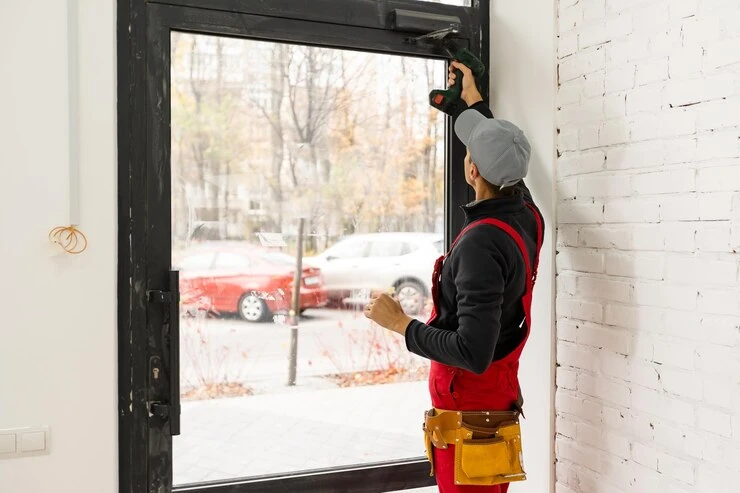
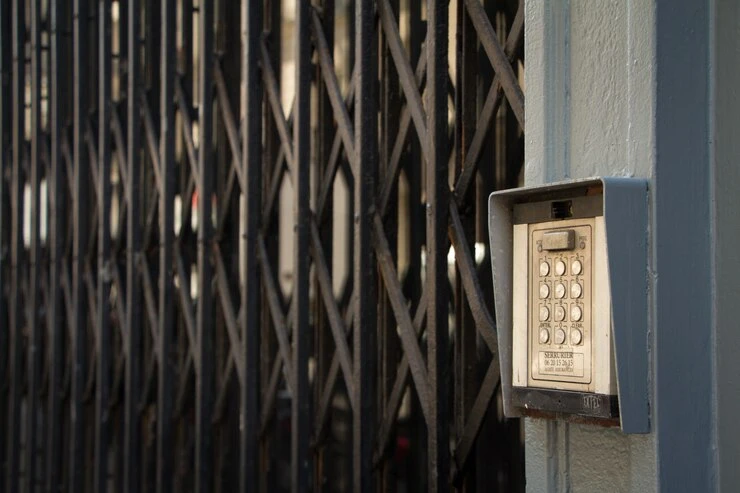
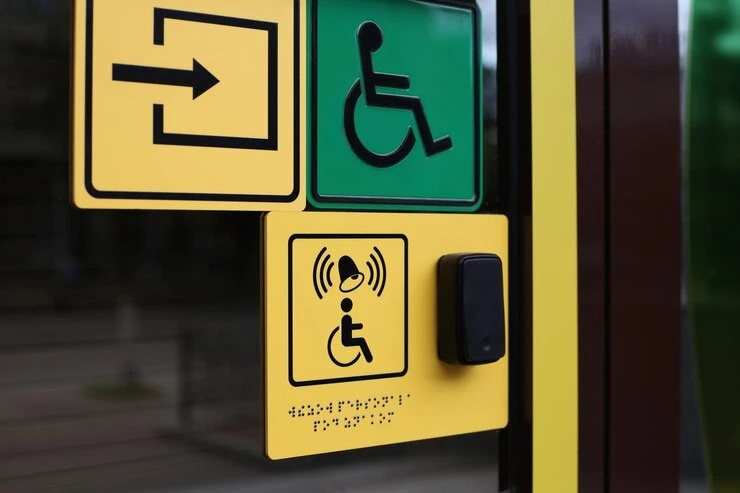
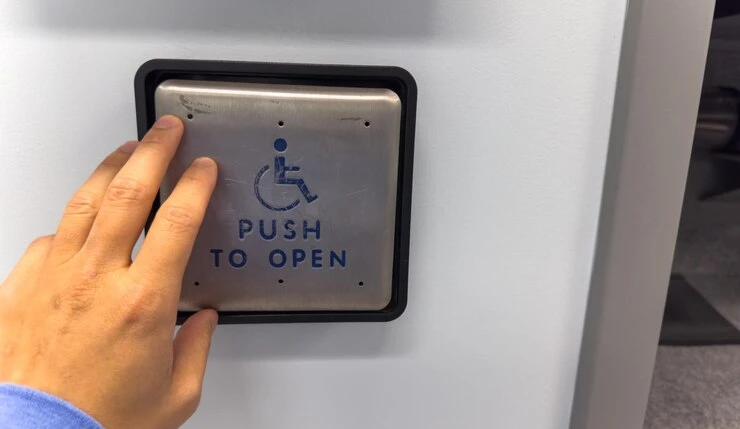
All in 1 Locksmith offers handicap door opener installations for environments where accessibility and operational support are required. These devices, sometimes referred to as automatic door openers or ADA-compliant openers, allow doors to be opened and closed with minimal manual force. Typically operated via wall-mounted buttons, remote controls, or access control systems, these openers assist individuals who may face physical challenges in maneuvering traditional doors.
Handicap door openers are applicable across multiple settings, including:
-
Commercial facilities
-
Medical offices and hospitals
-
Educational institutions
-
Residential care homes
-
Private residences with accessibility modifications
Why Choose All in 1 Locksmith Handicap Door Opener
All in 1 Locksmith provides handicap door opener systems that are configured to align with architectural standards, user needs, and local compliance requirements. Each system is selected and installed with attention to both performance and safety.
Key Benefits:
-
Accessibility Support: Enables individuals with limited mobility to operate doors with reduced physical effort.
-
ADA Compliance: Supports compliance with federal and state accessibility codes.
-
Customizable Activation: Options include push-plate buttons, key fobs, wireless remotes, or touchless activation.
-
Low-Energy Operation: Designed to open doors slowly and safely, reducing force impact and ensuring safe passage.
-
Integration Flexibility: Compatible with access control, electric strikes, panic hardware, and fire-rated doors.











Frequently Asked Questions
While both terms are often used interchangeably, handicap door openers are typically low-energy systems that meet ADA standards and operate at reduced speeds for safety. Automatic door openers may include a broader category, including high-energy models used in retail or transit facilities.